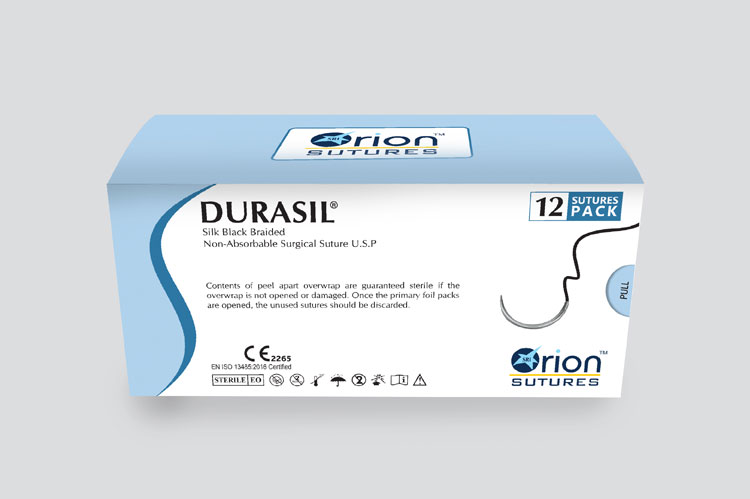
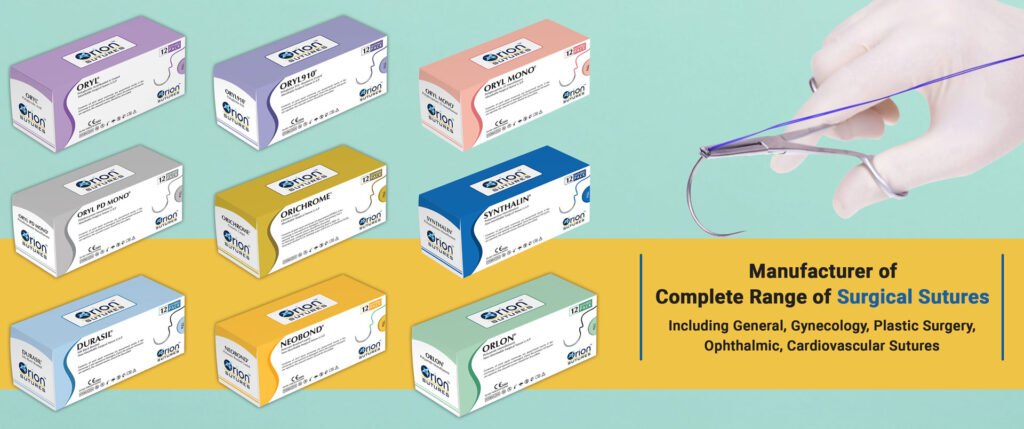
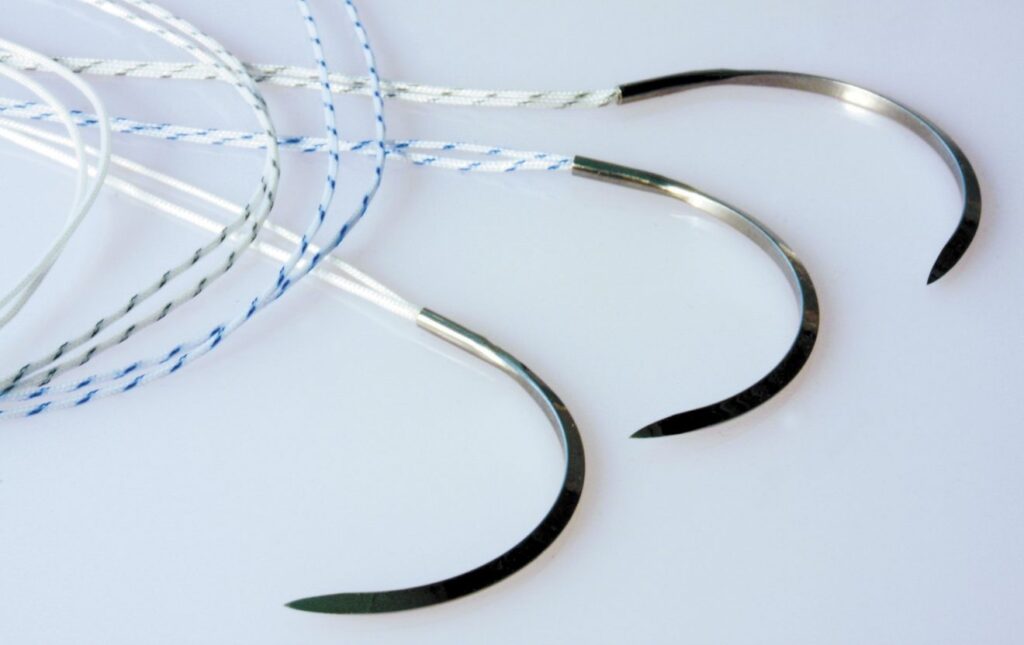
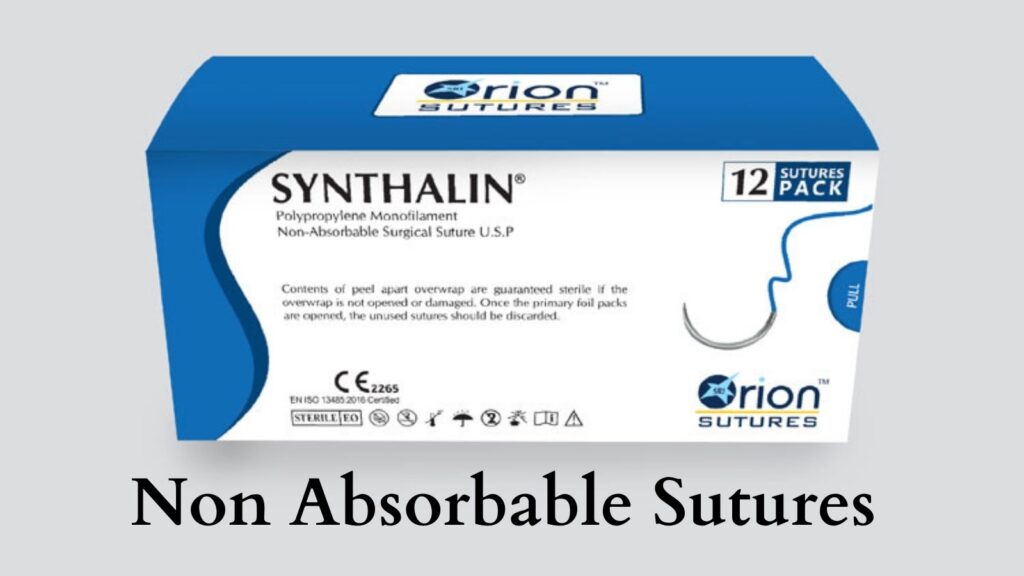
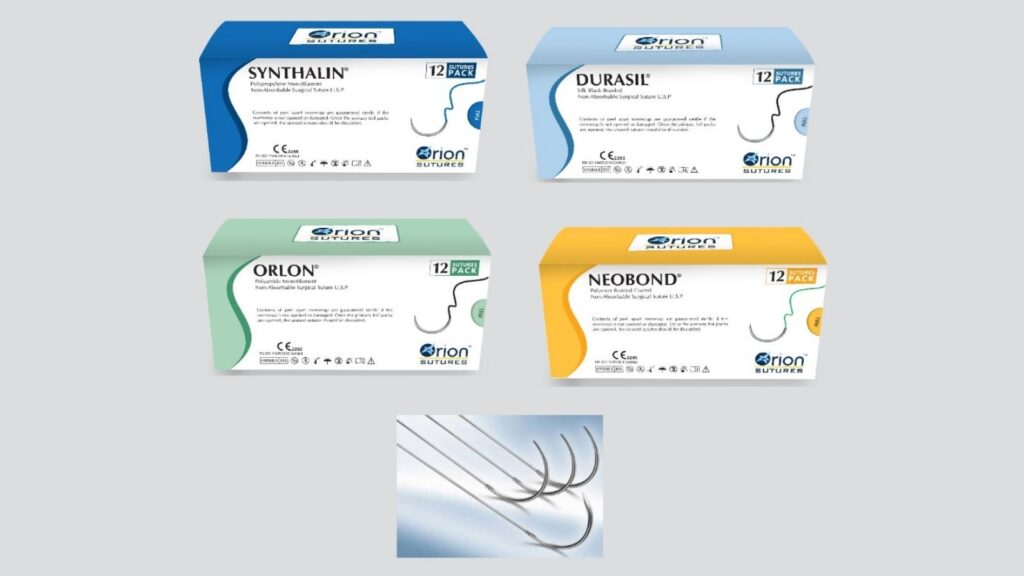
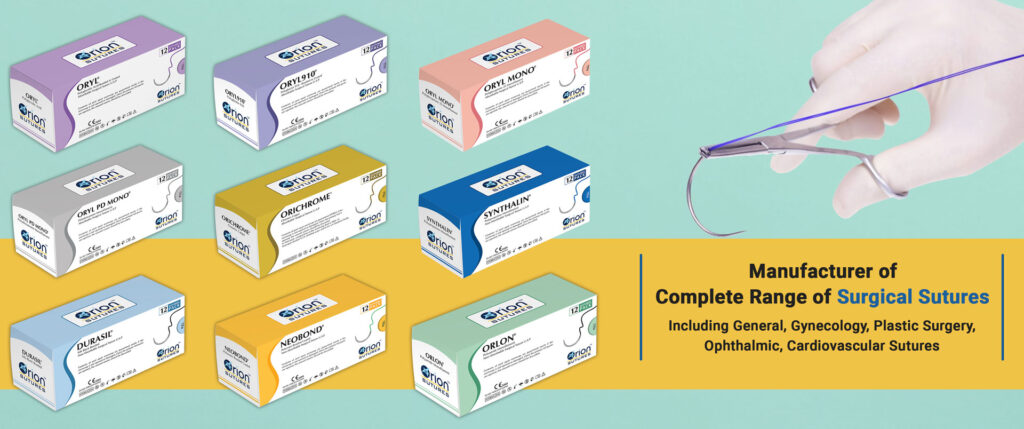
Packaging, Sterilization, Documentation and Supply Planning International distribution of surgical sutures requires much more than selecting the right product. Importers, distributors, hospital suppliers, and private-label medical companies must also consider packaging, sterilization, documentation, regulatory support, logistics, and long-term supply planning. For buyers sourcing surgical sutures from overseas manufacturers, these factors directly affect product acceptance, shipment efficiency, inventory management, and market readiness. A reliable surgical suture manufacturer should therefore be capable of supporting not only product manufacturing but also the commercial and operational requirements associated with international distribution. Why International Buyers Need a Complete Supply Solution Medical distributors often source multiple types of surgical sutures for different clinical applications. These may include absorbable and non-absorbable sutures, monofilament and braided sutures, and different needle configurations. However, the product itself is only one part of the procurement process. International buyers also need suitable packaging, clear labeling, sterilization assurance, export documentation, shipping coordination, and dependable supply schedules. Working with a manufacturer that understands international distribution can make the sourcing process more efficient and reduce complications during import, registration, warehousing, and resale. Packaging Requirements for International Distribution Packaging plays an important role in maintaining product integrity throughout transportation and storage. Surgical sutures may travel long distances and pass through multiple logistics stages before reaching hospitals or distributors. Packaging should therefore be designed to protect the product while also providing clear product identification. International distributors may require different packaging formats depending on their market. This can include customized branding, private-label packaging, market-specific labeling, carton configurations, and product information adapted to local requirements. For distributors building their own medical brand, customized packaging can also help create stronger brand visibility and consistency across the product portfolio. A manufacturer with flexible packaging capabilities can support buyers who require both standard products and customized solutions. Sterilization Is a Critical Part of Surgical Suture Supply Sterilization is one of the most important considerations in the manufacturing and distribution of surgical sutures. Sutures intended for surgical use must be supplied under controlled conditions according to applicable product and quality requirements. International buyers should understand the sterilization process used by the manufacturer and ensure that relevant sterilization information and documentation are available for their market. Product packaging should also help maintain sterility throughout the intended shelf life, transportation, and storage period. For distributors, reliable sterilization processes provide confidence that products are prepared for professional medical use and supplied under appropriate manufacturing controls. Documentation for Export and Distribution Documentation is essential when surgical sutures are exported to international markets. Depending on the destination country and applicable regulations, importers may require a combination of product documents, technical information, quality certificates, manufacturing information, labeling details, sterilization records, and commercial documentation. Accurate documentation can help simplify communication between manufacturers, distributors, regulatory consultants, customs authorities, and healthcare buyers. For this reason, international distributors should discuss documentation requirements before finalizing large orders. A manufacturer experienced in export markets can provide better support during the documentation and product registration process. Registration Support for International Markets Medical device registration requirements vary from country to country. Distributors entering a new market may need product information, technical files, manufacturing documents, certificates, labeling information, and other supporting materials before they can begin commercial distribution. This is why registration support can be an important advantage when choosing a surgical sutures manufacturer. Manufacturers that understand the needs of international distributors can provide relevant product information and documentation to support the registration process. For importers, this can reduce unnecessary delays and improve coordination between the supplier and local regulatory representatives. Private Label and Customized Packaging Opportunities Private-label surgical sutures are an important business opportunity for distributors that want to build their own healthcare brand. Instead of selling only third-party brands, distributors can work with a manufacturer to develop customized packaging and branding for their target market. Private-label arrangements may include customized product labels, boxes, cartons, branding, and product selection based on the buyer’s commercial requirements. This approach can help distributors differentiate themselves in competitive markets and build stronger relationships with hospitals, clinics, and medical supply networks. Before beginning a private-label project, buyers should clearly define product specifications, packaging requirements, order quantities, target markets, and registration needs. Supply Planning for Hospitals and Distributors Consistent supply is essential in the medical industry. Hospitals and surgical centers cannot afford frequent shortages of commonly used sutures, while distributors need enough inventory to fulfill customer orders without excessive delays. Effective supply planning should therefore include expected order volume, reorder frequency, production lead time, shipment schedules, and inventory requirements. International buyers should discuss these factors with the manufacturer before placing recurring orders. Forecasting demand can also help manufacturers plan production more effectively and ensure smoother supply continuity. For distributors managing multiple countries or regional markets, structured procurement planning becomes even more important. Export Delivery Terms and Logistics Planning International surgical suture orders may involve different delivery and shipping arrangements depending on the buyer’s location, order size, and commercial agreement. Buyers should clearly discuss shipping responsibilities, delivery terms, freight arrangements, documentation, lead times, and destination requirements before confirming an order. Clear export delivery terms help both parties understand responsibilities related to transportation, customs clearance, insurance, and delivery. Proper logistics planning can also reduce unexpected costs and make international procurement more predictable. Choosing a Surgical Suture Manufacturer for International Distribution International buyers should evaluate suppliers based on more than price. Important factors include manufacturing capability, product range, quality systems, packaging flexibility, sterilization processes, documentation support, export experience, communication, and supply reliability. The ability to support customized packaging, regulatory documentation, and planned shipments can be particularly valuable for distributors expanding into new markets. A strong manufacturer-distributor relationship should support both immediate procurement requirements and long-term business growth. Orion Sutures for International Distribution Orion Sutures supports international buyers, medical distributors, and importers with surgical suture solutions designed for global distribution requirements. The company offers support for customized packaging, sterilization requirements, documentation, registration assistance, and different export delivery arrangements based on buyer needs. For distributors building their own market presence, Orion Sutures can also support customized and